
All Women
A survivor has sent some poems to share with here with other survivors. Watch this space for more poems.
I had my first crush when I was 11.
Soft, excited, feelings – a high five, a hello made my day.
I was 12 when I was first asked out by a boy.
I was 13 when the boy sitting next to me in Geography class asked if a guy had popped my cherry yet.
I was 14 when I was first catcalled and honked at on a run.
I was 18 when I was told I was expected to dress more conservatively.
And at 19 I was sexually abused and I thought my life was over.
The pain that night – 29 November 2019 – was so bad I thought I was going to die.
To me it came out of nowhere and it was a completely random event.
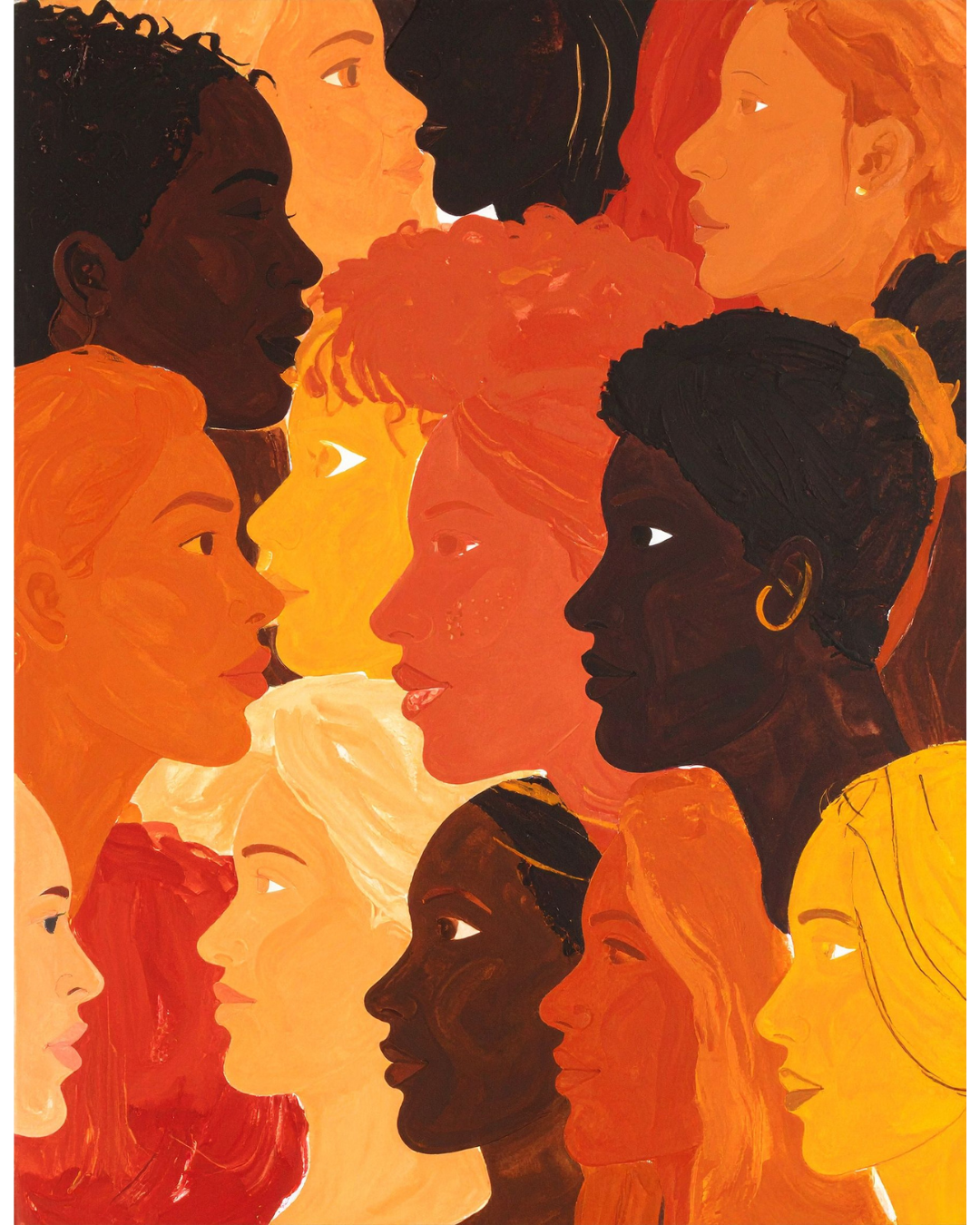
So when at 20 for voicing my opinion that went against the leader of our group I was called aggressive.
I thought no.
I am strong. I am feisty. And you don’t like that I have a voice, which goes against yours.
But too bad, I am here
and here
to stay.
The Unspoken: a true story
Rebecca Parsons has shared an extract of her book ‘The Unspoken: a true story’, which tells her true story of child sex abuse survival. Rebecca says ‘I know this book will bring comfort and help to those who are in of need it’.

My name is Rebecca Parsons, and I was sexually abused for four years from the age of six. Separate to that, I have also been sexually assaulted by three different men, and I have been in two violent, unfaithful, manipulative relationships which tore apart my trust in men. I haven’t known my self-worth since my dad left home before my abuse.
I intend to bring light and awareness to a subject devastating enough to raise the hairs on your arms, making you more aware of what sexual abuse victims truly go through. Shall we get into it?
So, what about us everyday people? Our pain, our hurt and the strength we have needed in order to pull ourselves through the darkest of days? You see, when we ‘everyday people’ speak up, many are quickly dismissed and face embarrassment, but when famous people speak up, it is considered brave and inspirational. Usually, you will find that they are inspirations to people who have been lucky enough to have not experienced any non-consensual sexual encounters. You see, too many ‘everyday people’ have learnt to stay quiet. If you don’t, you feel the suffering of feeling embarrassed, discomfort, resentment, unworthiness, and most common of all, not being ‘normal’. Once I had to take time off work for my own mental health. I phoned and was already crying before they answered. But I had only recently started to see my worth and put myself first before life got too much for me. I told them I would happily go in and explain my life story. I was genuinely willing to go in and open the boxes in my head, knowing how that would affect me, all to make sure they understood me. Their response:
“Well, what about us? We need to find cover.”
Are you kidding me? All my life I have tried to keep things hidden for fear of sounding selfish. The one time I was willing to explain it to somebody, so they see I was not mentally stable, they think about themselves and their business! I thanked her – for what, I was unsure of – but I felt rage boiling within. From that day, my mindset changed. Never again would I allow myself to feel like that. I know how scary seeking help is. I know how scary it is to relive your past. I also know that many people might think they are over their trauma, but perhaps at one point they will need this book, because something has brought their torment to the surface. I am here. For you all, I am here. I am going to show you just how much you can do and what you can overcome, because you are brave and strong. You’re still on this earth, right? That tells me how strong you are instantly. Another reason for this book is so that partners of loved ones can hopefully get a greater understanding of what they are going through. And parents of children who have been through this: this book is also for you, to help you understand and to be understood yourself. If you’re a stranger to all of this, then perhaps you just want a better awareness of this horrible abuse which seems to happen everywhere and never disappears. I began to work on myself, knowing that my self-worth had to change, too! From that point on, I committed to putting myself and my mental health first. After all, I have a beautiful son to live for. So here I am, writing the true story of behind a victim’s eyes. For the beautiful people who can relate to this book in any way, well this is for you and I’m here to tell you that I’ve got you!
Missing You
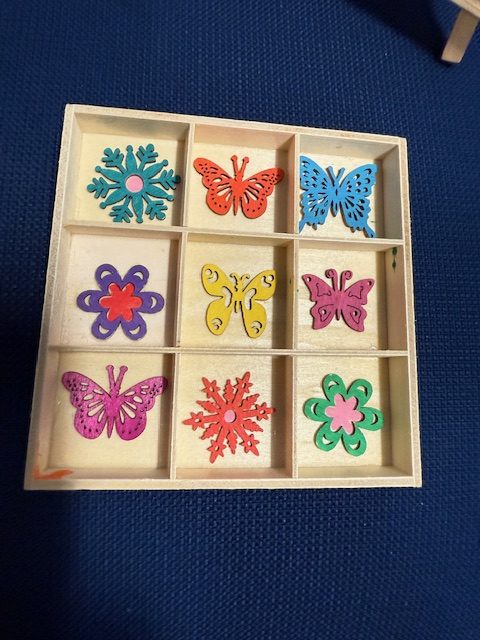
Pearl has contributed a poem about missing the Arts with Hearts group during lockdown.
Arts With Hearts doesn’t ask: How, When, Where, Why???
Are you sure???
They say: “Come in, have tea,
Sit and watch, express yourself, feel free”.
No, I can’t crochet, even now,
But , no matter, I give myself, my time,
My laughter, I join in, I hear my sound,
Feel safe, feel part of life,
Not numb, feel I could be, even ME.
I’ve noticed colours, CLAY,
Solid, ever-changing stuff,
Smoothness, curves scored into rough.
Textured people in my life are
Tangled, woven, knitted, knotted,
I make solid shapes, smooth, reliant, true,
You might say, “But why, for who?”….
ME, of course,they’re mine , I did that!!
I made that sparkle shine, dull hue, loud voice of colour.
Prettiness trapped inside me
Pours out in liquid, fountain-free,
Art can SHOUT,
Can whisper fear,
Can cry in pain,
Can show : “I’M HERE!!!”.
Invisible Damage
“The poem is talking about how we say we’re “fine”, when people ask and don’t show how we really feel, for various reasons, and how important it is to find people (like at RSVP) who we can tell how we really feel“

Pearl is fine, Pearl is free
But Pearl is trapped
And Pearl is me.
You only see the one on show, really not the one you know.
Sawn in half each side divides,
Pearl is living in two lives.
Scythed in two by Virus rules, locked at home,
No fun in schools, no friends to play, out of Control,
My head is cut down to my soul.
Isolation ward is home, only help is down a phone,
No touch, no love, no shielding arm,
Alone and scared of any harm,
Rocking, starving,all those things self-abusive harming brings,
Making sense more than the lies, strategies and stingy eyes
From crying. Loss of self, loss of me, controlled, restricted, power-free.
I’m needing help from someone who sees past the mask
And guides me through to overcome the big deride,
My introverted “spoilt” child.
Yet out in life no-one can tell,
Pearl is happy, Pearl is well,
Pearl is fun, she makes you laugh,
But really Pearl is cut in half.
Have your voice heard – counselling during the pandemic
Have you had counselling at RSVP over the past year? Are you 18+? We are asking for feedback about our adult counselling service during the Covid-19 pandemic, to see how people used our service and what we can learn from this difficult time.
Your opinions and ideas can really help us to improve what we do.
We would like to invite you to take part in a focus group discussion with other counselling clients on:
Monday 7 June 2021 at 12.30pm-2.30pm
The focus group discussion will be run by Karen and Polly, independent researchers who will pull everyone’s comments together and report them back anonymously. There will be up to 10 people in the group and it will take place on Zoom. You will be sent a link to join by email or text.
We would really like to hear about your experience of counselling at RSVP during COVID19, to help us understand what worked well and what we could have done better.
Please contact Sarah Lafford at sarah@rsvporg.co.uk to book your place.
Meet Oscar
We’re delighted to welcome Oscar to our ISVA team, we all hope you enjoy being part of the RSVP team.
Identity has always been important to me. But the question of ‘who am I?’ has not always been one I’ve found easy to answer. This question consumed me when I was growing up. Sleepless nights and endless days staring into space and asking myself the question over and over. Labels were forced upon me before I started to speak for myself. ‘Tomboy’, ‘gifted’, ‘naughty’, ‘different’, ‘girl’. These labels always felt wrong to me. I wasn’t naughty, I just couldn’t focus like everyone else. I wasn’t ‘different’, but I was unique. I didn’t think I was a girl, so who was I? Who will I be when I grow up? Will I be comfortable in my own skin? Will I find a community of people who understand me? Will I be proud?
Throughout my teenage years, I tried on a lot of identities. My styles and interests constantly evolved and changed. I played semi-professional football, toured around playing in jazz bands and worked in the House of Commons. I tried a Goth phase for a couple of weeks, but I had blonde hair and smiled too much, so that style didn’t last too long. I experienced homelessness, I formed strong friendships and threw myself into schoolwork; a source of stability in my life.
The question of who I am continued to weigh on my mind, crushing me. All my friends began forming relationships, but questions about my sexuality made me feel isolated, alone. I started talking to people I could trust about how I was feeling and learnt that a big part of my identity was openness. My chosen family became a significant part of who I was, and who I still am. University was a very important and exciting time for me. It allowed me space to grow, meet a diverse range of people and try new experiences. I studied History and Politics and got heavily involved in student politics and social groups. In 2014, I was elected as LGBT+ Liberation Officer of my university and had the chance to support others in a way I was supported when I needed it the most. I also became involved in activism and advocacy support, particularly surrounding LGBT+ Liberation, Sex Worker Rights, and preventing homelessness.
For a long time, I became consumed with the label ‘victim’. I was a victim of sexual assaults, a victim of hate crimes, a victim of abuse. This became my identity and dictated how I acted. I felt embarrassed, ashamed, alone. I felt like no-one understood me or saw my struggles. It took time, patience and support for me to decide that I wanted to reject this identity of ‘victim’. A big part of my identity now is that I am a survivor, and what I have been through has made me stronger, more compassionate and surer of who I am and who I am not.
After I completed my Undergraduate Degree, I began a PhD in Political Science, looking at the overlap of disability and trans studies, entitled: The Other Body: A Trans and Disability Studies Critique of Privacy, Privilege and Power. I’ve worked as a Lecturer and as a Programme Facilitator at a charity which saw me travelling around the country and spending many nights in hotel rooms, eating takeaways. I would go into schools and help young people discover what social issues they were passionate about (such as climate change or supporting elderly communities) and helped them form plans of how they would make a difference in the world. These experiences helped shape my identity and learn more about who I am. I became a strong public speaker and I learnt about coping mechanisms for my anxiety and depression. I learnt about my disabilities and ways I could speak out about them and ask for support and I learnt how to better support people. I also learnt that you can get sick of takeaways and delicious greasy food if you eat too much of it (who knew??).
I love learning and reading. As I began forming a picture of my identity, I wanted to find stories like mine. I wanted to see an existence like mine, to feel validated and affirmed. But I struggled to find any. I couldn’t find stories about disabled young people or films about LGBT+ people (especially not stories of people who are proud and happy). No TV shows of survivors thriving. No diversity or celebration of difference. I realised I had to become the representation I wanted to see. I didn’t know entirely what story I wanted to tell, but I knew that I wanted to speak. I wanted to support people and make them feel seen; to help people understand that their stories, their experiences, their feelings are always important. This is why I continue to speak out. To fight for the rights of myself and others. To continue understanding, unlearning, remembering, forgetting, processing, thinking, feeling and listening. To be someone people can talk to. And I want to continue listening to myself. I speak out about my experiences in solidarity. To process. In the hope others can relate and feel less alone. These are some of the core values I want my identity to be about, and what I have strived to do in the past, and what I hope I continue to do in the future at RSVP.
I joined RSVP in October 2020 as an Adult Independent Sexual Violence Advocate. My role involves assisting anyone who has experienced sexual abuse or violence, helping them to understand their options, ensuring they can access the services and support they need, including reporting if this is something they wish to do, and offering emotional and practical support. Since joining RSVP, I feel like my chosen family has grown. Everyone is so supportive, welcoming and accepting, and it has felt powerful and affirming to openly be my authentic self and stay true to my identity.
So, who am I? The answer to this question is forever evolving and growing. I am my experiences, my journey and my story. I am Oscar. I am a trans, non-binary man. I am disabled, queer, and flamboyant. I love otters and bird-watching. My most listened to music genre on Spotify is ‘Show Tunes’. I tell terrible jokes. I am serious when I need to be, but don’t take life too seriously. I’m positive and energetic. I am flawed. I am kind. I am privileged. I am accepting of everyone. I’m passionate about my beliefs, my hobbies and about helping people. I’m also passionate about dogs. Dogs are great. I’m an activist. I am a survivor and I am strong. I am who I was in my past and who I will be in my future. Most of all, I am proud.
Are you interested in working as a survivor co-researcher?
We want to make you aware of an opportunity to work as a co-researcher. A research team at University of Birmingham are inviting applications from individuals who identify as survivors of sexual violence to work on a national research study examining the role of the voluntary sector in supporting survivors.
This is a paid position, 2-3 days a month, with training provided, til August 2022.
The study is funded by the National Institute for Health Research (NIHR) and led by a team at the University of Birmingham, working in partnership with survivors, voluntary sector services, health services and commissioners.
The role will include:
Offering knowledge and experience of the issues being researched
Co-facilitating interviews with survivors of sexual violence
Helping to recruit survivors to the study
Assisting in the development of research materials and tools
Assisting with data analysis
Attending some research meetings (these may be virtual)
Helping to develop publicity around the research
Helping to support/attend activities to promote the study findings
This is a great opportunity to influence policy and service provision and to develop your research skills and experience.
If you would like to know more about the research project, please contact the study’s lead: Professor Caroline Bradbury-Jones c.bradbury-jones@bham.ac.uk
The PROSPER study: www.birmingham.ac.uk/research/applied-health/research/PROSPER-study.aspx
Grandson
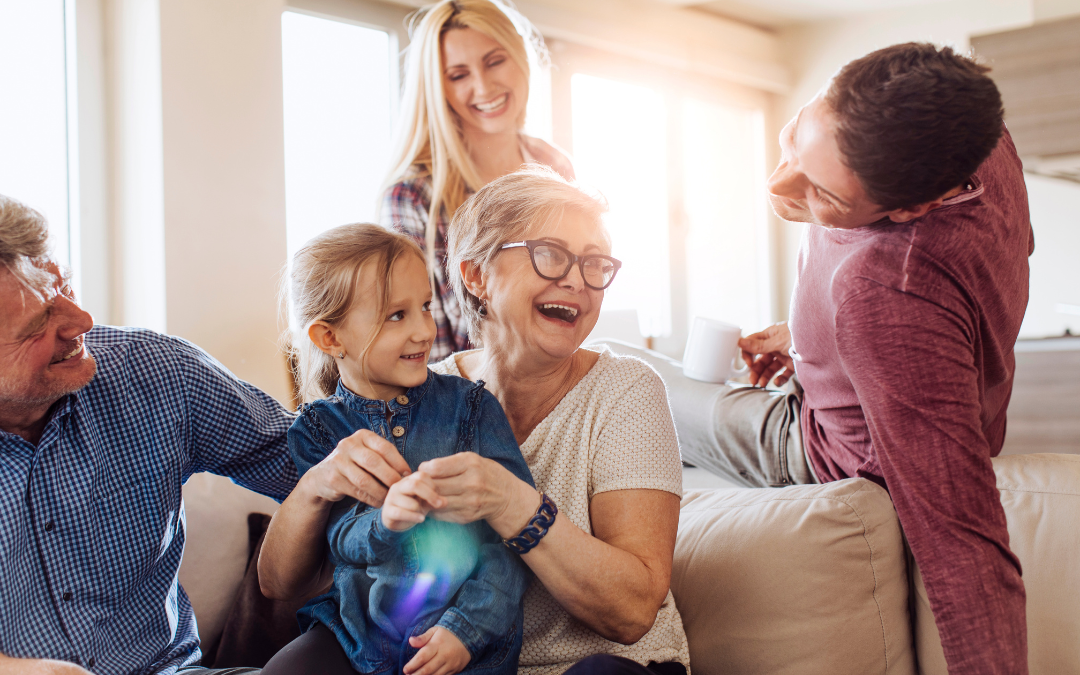
This poem from Pearl is about the impact of Covid on families and children.
GRANDSON
I put my hands out, little boy
To dance together, act your play,
But: “What about the germs?” you say.
You child of four,
You precious one
No touch, no contact,
No more fun?
Reminding me who should know more-
Covid rules, Covid law.
What life is this?
Can’t dance my ‘son-
A person’s life barely begun-
Like this !!?
It must be wrong ?
What’s in your head?
What make you of this?
Masked adults, mustn’t kiss
We never had before like this,
Rules on rules
Locked inside out,
Timeless hours, screaming sirens, fallen flowers.
Trembling armies work to save
Children, finance, dying
Patients from their graves,
Screened by plastic PPE,
I feel so helpless,
Infant me.
We never knew, our lives were safe,
We held each other dear and far,
You saw my smile,
My joy in you, life on pause we’re living now,
I pray there’s time for us to see
A different future,
You and me.
Surviving This
This poem by Pearl reflects on the pandemic. Thank you for sharing your words with us Pearl.
Surviving This
No use of armies, bombs or guns,
Invisibly silent, with stealth
It comes, to choke the life from in our lungs.
No shield can stop its mad advance, its leading us a merry dance.
Risk factors out the chance that we will catch this vile bug,
Then pass it on to those we hug
And hold so close within our hearts.
‘Scopic warriors, spiked and deadly
Breeding in us
Causing chaos,
This is History in the making, if we survive this we are breaking
Worldwide chains of spread,
God knows we need this virus dead.
All ages, stages, Life on pause,
From young to old, direct or indirect, it changes paths of Life,
Cutting through us with its knife.
We must be fierce,
Like those before in other Wars,
Not let its march delete our species,
Fight together,
Stay apart,
Wear masks to shield our weakest links,
Wash its bodies down our sinks.
Whatever’s done to us before,
We need our strength now even more,
We’re used to trauma, know the score,
Know what triggers are our flaw,
We have more than fear to mask
Surviving this now is our task.
We matter here, deserve to live,
We ALL have so much more to give.
Right now is History we can make,
How many of us it will take
I do not know,
But Inner Strength to follow rules
Will be our armour from this foe,
We must deplete it
Now, or go.
Counselling evaluation report

Over the past two years we’ve been working with the team at Merida to independently evaluate our counselling services for adults who have been subjected to sexual violence and abuse. In November 2019 we published the interim report, and now the final report is ready to share.
Counselling services are our busiest services. Though we offer more than 200 counselling sessions a week to adults, 7 days a week, survivors of abuse are having to wait months for their counselling to begin. This is part of a national crisis in the sector, but we want to reflect on what we can do locally as an organisation to reduce waiting times while still offering trauma-informed, survivor-centred support. You can read the report by clicking the link below.
Some of the findings:
Survivors face a confusing landscape when seeking support, as sexual assault referral centres, health services, mental health services and charities all offer different types of support with varying levels of accessibility.
In January 2019 the demand pressures on RSVP’s services had grown to such an extent that the waiting list for adult counselling was increasing rather than decreasing. This led to consultation on and implementation of service changes, including reducing the number of weeks of counselling from 24 to 16 (from April 2019).
In the research period, adult counselling at the city centre and outreach locations combined grew from 179 sessions per week to 227 per week ( this has since grown and with children’s counselling too we offer more than 300 sessions a week).
The expansion of outreach counselling has been successful in
extending the reach of the adult counselling service to people who were unable to access the city centre site.
Average waiting times reduced from 7 months to 5 months in January 2020, (though waiting times vary significantly depending on where the services is accessed).
The future of the service
Though huge progress has been made in reducing waiting times, the impact of Covid-19 will be felt for some time. Many people who were accessing the service in March put their sessions on hold because they were unable to, and did not want to, continue their sessions by phone during lockdown. When face to face services resume, social distancing will limit the numbers of clients who can be at the premises at one time and some outreach locations will open later than others.
We’re pleased that we’ll continue to work with Merida to evaluate the service, including the impact of Covid-19, counselling in a social distanced environment and new ways of accessing counselling (i.e. online platforms).
If you have any comments on the report, please contact Sarah Lafford sarah@rsvporg.co.uk